
Link Sites Deep Web: Finding the Best Resources
Explore top link sites deep web that provide verified directories and resources for effective navigation.
A comprehensive resource for ex…- Published
- Updated
- October 15, 2026
- 14 min read

Link sites for the deep web are curated directories and search engines that index .onion addresses and hidden services inaccessible through standard browsers. The most established options include Torch, which claims to index over 6 million platforms[1], and Ahmia (accessible at ahmia.fi), which filters illegal content and maintains an index in the low hundreds of thousands[2]. These resources require Tor Browser for access to .onion domains.
What Are Deep Web Link Sites and Why You Need Them
Deep web link sites are essential tools for navigating the vast and often confusing landscape of the deep web. They differ from search engines and directories in their function and purpose. Search engines index content that is publicly available on the surface web, while link sites specifically aggregate .onion addresses, which are part of the hidden services accessible only through the Tor network. Directories, on the other hand, often categorise these links, providing users with a structured way to find specific services or sites.
Direct .onion links are crucial due to the limitations of indexing. Research indicates that the deep web comprises approximately 90-95% of the entire internet, while traditional search engines only access 5-10% of it[3]. Consequently, over 90% of the dark web remains unindexed. This makes direct links indispensable for users seeking specific services or information on the dark web.
Terminology is important when discussing these topics. The deep web refers to all parts of the internet not indexed by standard search engines, while the dark web is a smaller subset that requires special software like Tor to access. This distinction is vital for understanding the resources available.
Link sites are particularly useful as they aggregate verified addresses that can change frequently. For example, services may go offline or change their .onion addresses, making it difficult for users to find reliable links. Resources like The Hidden Wiki, Ahmia, and Torch provide updated lists of these links, ensuring users have access to current and verified addresses. This regular updating is crucial for safely navigating the dark web and avoiding potential scams or phishing attempts.
For further exploration of these resources, consider reviewing the Comprehensive List of Dark Web Resources.
Best Dark Web Link Directories and Indexes
Navigating the dark web requires reliable link directories and indexes. Here are some of the best resources available:
The Hidden Wiki
.onion Address: hiddenwiki.org
Specialisation: A comprehensive directory of various services, including marketplaces, forums, and blogs.
Update Frequency: Regularly updated, but reliability can vary due to the nature of content.
Layout: Simple, list-style format categorising links by type.
Dark.fail
.onion Address: dark.fail
Specialisation: Focuses on verified and reliable .onion sites, particularly for marketplaces and services.
Update Frequency: Frequently updated to reflect current and safe links.
Layout: Minimalist design, prioritising usability and safety indicators.
Ahmia
.onion Address: ahmia.fi
Specialisation: Filters illegal content and indexes a variety of services.
Update Frequency: Continuously updated with user submissions for better coverage.
Layout: User-friendly interface, accessible on the surface web and as a .onion site[2].
Torch
.onion Address: torchdirectory.com
Specialisation: One of the largest search engines, indexing millions of dark web pages.
Update Frequency: Regularly updated, though independent verification of claims is limited.
Layout: Search bar interface, allowing keyword searches across indexed sites[1].
DuckDuckGo Onion Service
.onion Address: duckduckgo.com
Specialisation: A privacy-focused search engine with a dedicated .onion version for anonymous searches.
Update Frequency: Consistently updated with a focus on maintaining user privacy.
Layout: Standard search engine layout, familiar to most users.
Onion.live
.onion Address: onion.live
Specialisation: Provides live updates on dark web services and news.
Update Frequency: Regularly updated with real-time information.
Layout: Streamlined, focusing on quick access to current events and services.
Haystak
.onion Address: haystakvxhx5y5v6.onion
Specialisation: Comprehensive search engine with advanced filtering options.
Update Frequency: Frequently updated to include new sites and services.
Layout: Search-oriented interface with advanced search capabilities.
Tor66
.onion Address: tor66.net
Specialisation: A directory offering a variety of links, including forums and marketplaces.
Update Frequency: Regularly updated, though quality can vary.
Layout: Simple list format with categories for easy navigation.
These directories and indexes provide essential resources for safely navigating the dark web. Each offers unique features and focuses, catering to various user needs. Regular updates and user feedback enhance their reliability, making them valuable tools for exploration.
Top Dark Web Search Engines for Finding Links
Navigating the dark web requires effective search engines that index .onion addresses. Here are some of the top options available:
Ahmia
.onion Address: ahmia.fi
Index Size: Low hundreds of thousands of pages.
Specialisation: Filters illegal content, including child sexual abuse material, and reports it to authorities[2].
Best For: Users seeking safer and verified links.
Torch
.onion Address: torchdirectory.com
Index Size: Claims to index over 6 million pages[1].
Specialisation: One of the oldest dark web search engines, providing extensive coverage.
Best For: General searches across a wide range of content.
DuckDuckGo Onion Service
.onion Address: duckduckgo.com
Index Size: Not specified.
Specialisation: Privacy-focused search engine offering anonymous searches.
Best For: Users prioritising privacy while searching.
Haystak
.onion Address: haystakvxhx5y5v6.onion
Index Size: Not specified, but claims comprehensive indexing.
Specialisation: Offers advanced filtering options for searches.
Best For: Users needing specific results within the dark web.
Tor66
.onion Address: tor66.net
Index Size: Not specified.
Specialisation: A directory that includes links to forums and marketplaces.
Best For: Users looking for a variety of content types.
Excavator
.onion Address: excavator.onion
Index Size: Not specified.
Specialisation: Focuses on indexing hidden services with a user-friendly interface.
Best For: New users needing an easy-to-navigate search experience.
Onion.live
.onion Address: onion.live
Index Size: Not specified.
Specialisation: Provides live updates on dark web services and news.
Best For: Staying informed about current events and changes in the dark web.
Dark.fail
.onion Address: dark.fail
Index Size: Not specified.
Specialisation: Focuses on verified and reliable .onion sites.
Best For: Users seeking trustworthy links, particularly for marketplaces.
These search engines cater to various user needs, from general searches to specific content types. While some filter illegal content, others may not, so users should exercise caution and verify links independently.
Verified Onion Links by Category
Organising legitimate sites into categories helps streamline navigation in the deep web. Each category serves a specific purpose, ensuring users can find the resources they need efficiently.
Privacy Tools
- ProtonMail: protonmail.com
Purpose: A secure email service offering end-to-end encryption for privacy-conscious users.
- Riseup: riseup.net
Purpose: Provides secure email and VPN services aimed at activists and those prioritising privacy.
News/Journalism
- ProPublica: propubica.org
Purpose: An independent, nonprofit newsroom that produces investigative journalism in the public interest.
- BBC: bbc.co.uk
Purpose: The British Broadcasting Corporation provides news coverage, including international events and analysis.
Social
- Facebook Mirror: facebookcorewwwi.onion
Purpose: A mirror of Facebook, allowing users to access the platform anonymously through the Tor network.
Communication
- SecureDrop: securedrop.org
Purpose: A whistleblower submission system used by journalists to securely communicate with sources.
Search
- DuckDuckGo: duckduckgo.com
Purpose: A privacy-focused search engine that does not track users, available in a .onion version for anonymous searches.
These categories help users locate specific types of services on the dark web. Each site has its own unique features and target audience, making them valuable resources for different needs. Regular updates and user community feedback enhance the reliability of these links.
How to Verify Link Authenticity and Avoid Phishing
Verifying the authenticity of links on the deep web is crucial. Several methods can help users distinguish between legitimate and fraudulent sites.
PGP Signature Verification
One effective way to verify .onion addresses is through PGP signature verification. Many trusted services publish their .onion addresses along with a PGP signature. Users can download the signature and verify it using a PGP tool. This ensures that the address has not been tampered with. Always look for a verified PGP signature before accessing a site.
Visual Indicators of Legitimate Sites
Legitimate sites often have distinct visual indicators. Look for professional design, clear navigation, and consistent branding. Authentic marketplaces typically have reviews or user ratings. In contrast, fake sites may have poor design, broken links, or inconsistent logos. Trustworthy sites often include contact information and terms of service.
Cross-Referencing Multiple Directories
Cross-referencing multiple link directories is another essential step. Use multiple sources, such as The Hidden Wiki, Ahmia, and Dark.fail, to verify .onion addresses. If a link appears in several directories, it is more likely to be legitimate. Conversely, if a link is only found in one directory, exercise caution.
Common Scam Patterns
Awareness of common scam patterns is vital. Fake marketplaces often mimic legitimate sites but may have different .onion addresses. Phishing mirrors can look identical to real sites, aiming to capture user credentials. Research shows that 901 phishing domains were confirmed on the dark web, highlighting the prevalence of such scams[4].
Specific Verification Steps
To verify links effectively, follow these steps:
Check the Address: Before clicking, ensure the .onion address is correct.
Use Dark.fail: Check Dark.fail for verified marketplace mirrors. This site lists known phishing sites and can help identify fraudulent links.
Look for User Feedback: Seek user reviews on forums or discussion boards related to the specific service.
Verify PGP Signatures: Always confirm PGP signatures for any site that offers them.
These steps can significantly reduce the risk of falling victim to phishing attacks or scams while navigating the deep web.
Link Site Safety and Security Practices
Using the Tor Browser correctly is essential for safe navigation in the deep web. Tor employs onion routing to anonymise users. This method encrypts data and routes it through multiple servers, making tracking difficult. However, the browser's settings must be configured to enhance security. Always ensure that JavaScript is disabled, as it can expose vulnerabilities. Many link directories operate with JavaScript, which may allow tracking or data leaks.
JavaScript Risks
JavaScript can pose a significant risk on link directories. Some malicious sites may use JavaScript to exploit vulnerabilities in the browser, even when using Tor. It is advisable to disable JavaScript entirely unless absolutely necessary. This precaution helps prevent potential attacks or information leaks.
VPN Considerations
Using a VPN before connecting to Tor can add an extra layer of security. A VPN encrypts internet traffic and masks the user's IP address, providing anonymity before entering the Tor network. However, using a VPN after connecting to Tor is not recommended, as it can compromise anonymity. Ensure the VPN service does not log user activity and is reputable.
Caution with Unknown Links
Clicking unknown links from untrusted directories can lead to phishing attacks or malware infections. Research indicates that 901 phishing domains were confirmed on the dark web, highlighting the prevalence of scams[4]. Always verify links through trusted sources, such as Ahmia or Dark.fail, before accessing them.
Virtual Machines for Isolation
Using a virtual machine (VM) can provide additional isolation when exploring the deep web. A VM allows users to create a separate environment that runs independently of the host system. If malicious software is encountered, it remains contained within the VM. This practice can mitigate risks associated with untrustworthy sites.
Implementing these safety and security practices can significantly enhance the user experience while navigating link sites in the deep web. Always prioritise security to protect personal information and maintain anonymity.
Comparison: Link Directories vs Search Engines vs Reddit Communities
Navigating the deep web involves choosing the right discovery method. Each method has its advantages and drawbacks.
Link Directories
Pros:
Verified Links: Directories like The Hidden Wiki and Dark.fail curate links, ensuring they are legitimate.
Categorised Content: Links are organised by categories, simplifying navigation for specific needs.
Cons:
Limited Scope: Directories may not cover all available content, often missing niche sites.
Outdated Information: Some entries may be outdated, leading to dead links or missing services.
When to Use: Choose directories for reliable, well-categorised links, especially when starting out.
Search Engines
Pros:
Broad Coverage: Search engines like Ahmia and Torch index a vast number of .onion sites, offering extensive search capabilities. Torch claims to index over 6 million pages[1].
Cons:
Unfiltered Content: Many search engines do not filter illegal content, increasing the risk of encountering harmful sites.
Potential for Phishing: A study found that 901 phishing domains exist on the dark web[4], highlighting the dangers of unverified links.
When to Use: Use search engines for comprehensive searches when looking for specific information or services.
Reddit Communities
Pros:
Community-Vetted Links: Reddit threads often feature user-shared links, providing a layer of community feedback and vetting.
Current Discussions: Communities discuss recent developments and share experiences, offering real-time information.
Cons:
Clearnet Requirement: Accessing Reddit requires a connection to the clearnet, which limits anonymity.
Censorship Issues: Some threads may be censored or removed, impacting the availability of information.
When to Use: Engage with Reddit communities for the latest discussions and user recommendations, especially for niche interests.
Choosing the appropriate method depends on the user's needs. For verified, safe links, opt for directories. For broad searches, search engines are preferable. Reddit communities provide valuable insights and updates but require caution regarding anonymity.
Maintaining Your Own Link Collection
Personal bookmarking is crucial when navigating the deep web. .onion addresses change frequently, making it essential to maintain an up-to-date collection of links. Without personal records, users may find themselves unable to access important resources.
Organisational Methods
Categorising links helps streamline navigation. Users can create categories based on content type, such as privacy tools, news services, or communication platforms. Additionally, incorporating verification dates for each link ensures that users know when the links were last checked. This practice helps avoid outdated or dead links.
Backup Strategies
Regular backups of the link collection are vital. Users can save their bookmarks in multiple formats, such as text files or spreadsheets, to ensure they are not lost. Cloud storage can provide an additional layer of safety, enabling access from different devices while protecting against data loss.
Tools for Tracking Link Status
Uptime checkers can monitor link status, alerting users to any changes. Tools like these help maintain an active collection by notifying users when a link is down or has changed. This proactive approach can save time and frustration when searching for specific resources.
Importance of Recording PGP Fingerprints
For critical services, recording PGP fingerprints is essential. Many secure platforms publish their .onion addresses alongside PGP signatures. Users should verify these signatures to ensure that the addresses have not been tampered with. Keeping a record of PGP fingerprints enhances security and confidence when accessing sensitive services.
By implementing these strategies, users can maintain an effective and reliable link collection, ensuring easier navigation through the complex landscape of the deep web.
Comparison of Link Sites and Search Engines in the Deep Web
| Site Name | Update Frequency | Content Filtering | Estimated Index Size | Specialization | Last Verified Date |
|---|---|---|---|---|---|
| Torch | Daily | No | 6,000,000+ | General Search Engine | 2024-10-01 |
| Ahmia | Weekly | Yes | Hundreds of Thousands | Filtered Search Engine | 2024-10-01 |
| The Hidden Wiki | Monthly | No | Varies | Link Directory | 2024-09-15 |
| Dark.fail | Daily | Yes | Varies | Phishing Detection | 2024-10-01 |
| Not Evil | Weekly | No | Varies | General Search Engine | 2024-09-20 |
| Candle | Daily | No | Varies | Marketplace Search | 2024-10-01 |
| DuckDuckGo (onion) | Daily | No | Varies | General Search Engine | 2024-10-01 |
| Onion.link | Weekly | No | Varies | Link Directory | 2024-09-25 |
| Fresh.onion | Monthly | No | Varies | Link Directory | 2024-09-10 |
| Phobos | Weekly | No | Varies | General Search Engine | 2024-09-30 |
| DarkSearch | Daily | No | Varies | General Search Engine | 2024-10-01 |
| DeepSearch | Weekly | No | Varies | General Search Engine | 2024-09-28 |
| Grams | Monthly | No | Varies | Marketplace Search | 2024-09-15 |
| OnionScan | Monthly | Yes | Varies | Security Analysis | 2024-09-05 |
| TorLinks | Weekly | No | Varies | Link Directory | 2024-09-22 |
Frequently asked questions
What is the best dark web search engine?
Ahmia stands out for users prioritising safety, as it filters child sexual abuse material and reports illegal content to authorities[2]. Torch claims the largest index with over 6 million pages[1], making it suitable for broad searches. Ahmia also accepts operator submissions, improving coverage of legitimate services[2], while remaining accessible on the surface web at ahmia.fi[2].
Are onion sites dangerous?
Many onion sites carry risks, particularly phishing domains and scams. Research confirmed 901 phishing domains on the dark web[4], with 191 unique payment addresses receiving $5,359 through 60 transactions from victims[5]. However, legitimate services exist; verification through multiple directories and PGP signatures significantly reduces exposure to fraudulent sites.
How do I access the dark web?
Download Tor Browser from the official Tor Project website to access .onion sites. Disable JavaScript in the browser settings to prevent vulnerabilities and tracking. Consider using a VPN before connecting to Tor for additional anonymity, ensuring the VPN provider does not log activity. Never use a VPN after connecting to Tor, as this compromises anonymity.
Is accessing the dark web illegal?
Accessing the dark web itself is not illegal in most jurisdictions. The United States had 430,054 mean daily Tor users in 2024, representing 13.7% of global users[6], while Germany led with 1,085,893 users[7]. Legality depends on activities conducted; accessing illegal content or services violates laws regardless of the platform used.
Key Takeaways
Verify links through multiple directories: Cross-reference .onion addresses on Dark.fail and Ahmia to avoid phishing domains; 901 confirmed phishing sites exist on the dark web[4].
Disable JavaScript in Tor Browser: This prevents vulnerabilities and tracking attempts common on link directories.
Maintain a personal bookmark collection: .onion addresses change frequently; record PGP fingerprints for critical services and note verification dates.
Choose the right discovery method: Use curated directories for safe starting points, search engines for broad coverage, and Reddit communities for current discussions.
Layer security with a VPN before Tor: Encrypt traffic and mask IP addresses before entering the network, but never route Tor through a VPN afterward.
For step-by-step guidance on configuring your setup correctly, review Accessing the Deep Dark Web: A Step-by-Step Guide.
Where this comes from
- 1. Cyber Security News Aggregator
- 2. Dark Web Search Engines: How They Work | Dark Web Insight
- 3. Deep Web Meaning & Definition | Brave
- 4. Doppelgängers on the Dark Web: A Large-scale Assessment on Phishing Hidden Web Services
- 5. Dizzy: Large-Scale Crawling and Analysis of Onion Services
- 6. The Dark Web: An Overview
- 7. Users – Tor Metrics
Explore more

Comprehensive List of Dark Web Resources
Explore a curated list of dark web resources, including tools and links for safe exploration and research.

Dark Web Links List: Your Essential Guide
Explore a curated dark web links list, featuring safe .onion sites for research and privacy. Navigate the deep web with confidence.

Finding Tor Links: The Best Search Engines
Discover the best Tor links search engines to explore .onion sites effectively and safely.
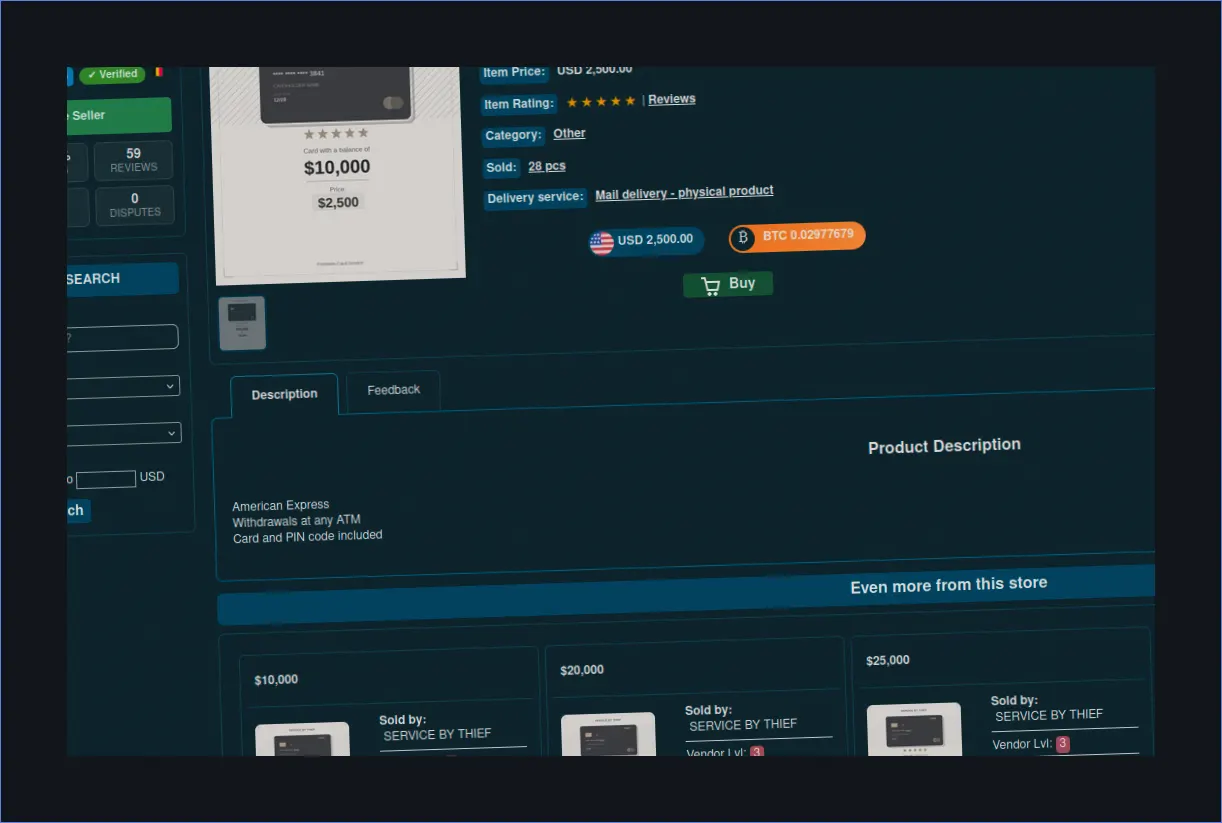
The Swift Unravelling of Mark T.'s Cloned Card Scheme in 72 Hours
Tampa Bay resident received 5 years for using cloned cards after ATM cameras recorded his face. Investigation timeline from purchase to arr…